Decoding Hypodown: What It Is, Why It Matters in Pillows, and How to Choose
In the quiet, almost ceremonial hours before sleep, the pillow plays a role as critical as any lamp or blanket. Among the modern innovations shaping pillow comfort, hypodown stands out for its balance of plush softness and sustained loft. This guide surveys what hypodown is, how it differs from standard down and other fills, and how to evaluate loft, shell materials, and brand claims when shopping for a hypodown pillow from leaders like Savvy Rest, Laurel, Arcadia, Sequoia, and Downright. Along the way, we’ll meet three key figures from different eras who shaped our understanding of comfort, craft, and sleep science.
What is hypodown?
Hypodown is a formulation of goose down that emphasizes a higher fill power and a lighter, more breathable structure compared with traditional down. Brands that embrace hypodown often blend it with additional fibers or milder denser bases to maintain loft, resilience, and temperature regulation. The result is a pillow that feels plush without sinking too far into the neck, preserving alignment for longer stretches of sleep. In practical terms, hypodown pillows tend to offer a luxurious feel with improved durability, a key selling point for people who switch pillows seasonally or who suffer from heat buildup after long nights.
In many product descriptions, you’ll see terms like “800-fill power Hypodown” or “700+ fill power Hypodown,” paired with soft, medium, or firm densities. The fill power rating is a proxy for loft—the volume that a given amount of down occupies. Higher fill power means more loft and better insulation with less material. Hypodown blends may also include comforting plant-based fibers like milkweed, which add hypoallergenic properties and moisture management without sacrificing fluffiness.
How hypodown stacks up against standard down and other fills
- Standard down vs. hypodown: Traditional down pillows often rely on a robust, bulky feel. They can compress easily with use, leading to clumping or flattening. Hypodown, especially in premium blends, tends to be more resilient, maintaining loft longer and resisting the dreaded “flat pillow” syndrome that wakes you with a kink in your neck.
- Down-alternative and synthetic fills: Many sleepers prefer down-alternative fills for easier care and allergy considerations. Hypodown can be superior in feel and breathability, but it’s important to verify the blend and shell construction to ensure the loft and feel align with your sleeping position.
- Milkweed and other natural additives: Some hypodown pillows incorporate milkweed fiber to improve anti-microbial properties and moisture management. This pairing can deliver a softer, more breathable surface that remains cool to the touch, a boon for hot sleepers.
Brand comparisons: Laurel, Sequoia, Arcadia, and more
The pillow market often presents a spectrum of fills and shells that can be overwhelming. Three respected lines—Laurel, Sequoia, and Arcadia—illustrate how brands translate hypodown science into sleep experiences.
Together, these brands illustrate a central truth: the pillow is a personal tool. Loft, fill power, and shell matter as much as the brand name. The true test is how the pillow feels after a week of nightly use and whether it supports your neck and spine alignment across different sleep positions.
A practical buying guide: how to choose your hypodown pillow
When shopping for a hypodown pillow, a few questions help anchor your decision:
- What is the fill power rating? Higher power typically signals more loft, but the right loft depends on your sleeping position (side sleepers often prefer higher loft to keep the head aligned with the spine).
- What is the blend? Pure hypodown, or a hypodown mix with other fibers like milkweed? The blend can influence warmth, moisture management, and allergen resistance.
- What is the shell material? A smooth cotton sateen or a breathable cotton percale can influence feel and breathability. A tight weave helps resist feather leakage and extends pillow life.
- How easy is care? Some hypodown pillows are machine washable; others require spot cleaning or professional care. Your lifestyle and laundry habits will determine what you can reasonably maintain.
- What is the pillow’s intended sleep position? Side sleepers often need more loft, while back sleepers may benefit from medium lofts to support cervical curvature.
For a concrete path, consider trying a pillow from a reputable line that offers a range of lofts and a transparent fill-power rating. A good starting point is a high-loft, 800+ fill power hypodown pillow for side sleepers or those who crave maximum cushioning, paired with a breathable shell and robust construction that keeps loft stable night after night.
Real-world examples: from the field to your nightstand
To illustrate how this plays out in real products, we examine a few standout options. Note the emphasis on loft stability, shell quality, and the alignment of fill with intended sleeping posture. Images accompany these examples to help you visualize the feel and look, from a plush, cloud-like surface to a firmer, more supportive form.
Side Dreamer Pillow (example)
Designed for side sleepers with a booster loft and a contoured, boomerang shape, it supports neck alignment and reduces shoulder sag. When paired with a wool-and-cotton cover and a GOTS-certified organic fill, the pillow becomes a reliable nightly partner for healthful sleep.
Note: Image available upon request.
Sage Silk Pillowcase (accessory)
While not a pillow fill, premium silk pillowcases like Sage Silk play a crucial role in comfort. Silk’s temperature regulation and skin-hair benefits complement a hypodown pillow by maintaining surface feel and reducing moisture buildup through the night.
Note: Image available upon request.
For shoppers who want a tangible anchor, consider official product pages like the Side Dreamer Pillow or similar hypodown offerings from Savvy Rest, Downright, and Sleep and Beyond. These brands illustrate a spectrum from adjustable capacity to premium loft, with careful attention to shell and care requirements. When you pair a high-loft hypodown pillow with a breathable shell and a compatible pillowcase, you create a sleep environment that supports your spine’s natural curves and promotes restful, restorative nights.
Historical perspectives: three key figures who influenced sleep, comfort, and textile science
Understanding hypodown’s role in modern sleep gear can be enriched by looking at thinkers and designers across time who shaped our relationship with rest, material science, and craft.
Hypatia of Alexandria (c. 370–415 CE)
Though known for mathematics and philosophy, Hypatia’s era symbolizes early inquiry into natural materials and the search for comfort and well-being in daily life. Her pursuit of rational understanding and method laid groundwork for later systematic approaches to comfort and physiology that echo through modern sleep science.
Florence Nightingale (1820–1910)
A reformer who connected health outcomes to living conditions, Nightingale’s emphasis on hygiene, environment, and careful data collection informed later textile and bedding standards. Her insistence on evidence-driven care resonates with today’s demand for credible sources and tested materials in pillows and bedding.
Ralph L. Ward (mid-20th century textile science)
A nod to postwar textile engineering, Ward’s era witnessed advances in fiber technology, looms, and the careful study of fiber behavior under use. His era helps explain how fill power, loft, and shell density evolved into consumer- and clinician-friendly bedding specs that underpin hypodown’s popularity today.
A curated starter: notable hypodown pillow options
To connect the theory with a tangible choice, here are two representative products that illustrate hypodown in action. Each comes with a distinct approach to loft, fill, and shell quality. Images are included to help you visualize the real-world presence of these designs.
Side Dreamer Pillow
Booster-loft, boomerang profile, and organic fills converge to support side sleepers with firm loft, neck alignment, and a custom pillow case. Handmade with an organic wool and cotton cover, it embodies a practical luxury that champions restful nights.
Price: 275.00 USD
Sage Silk Pillowcase
A silk surface that tempers temperature swings, supports skin and hair health, and surfaces as a tactile luxury. While not a fill, a silk pillowcase is a critical partner to a hypodown pillow in achieving overall comfort.
Price: 155.00 USD
Final thoughts: the quiet revolution of sleep comfort
Hypodown represents more than a premium fill. It is a symbol of the modern commitment to sleep as a critical facet of health and daily performance. It blends scientific understanding with artisan craft—an approach that resonates with today’s consumer who seeks evidence-informed choices without surrendering the luxury of a good night’s rest. As you navigate the market, seek transparency about fill power, shell materials, and care guidelines. The pillow you choose should feel like a trusted companion, steadfast through the moonlit hours and loyal to your body’s alignment as you drift toward dawn.
If you’d like, I can tailor a 6- or 12-week shopping plan that aligns with your sleeping position, climate, and budget, or draft a side-by-side comparison of hypodown pillows from Laurel, Sequoia, Arcadia, and other brands to help you decide.
Images and product notes
The following product images illustrate the texture and feel of hypodown designs discussed in this article. They offer a visual reference to the lofty softness and structural integrity we associate with premium pillows.

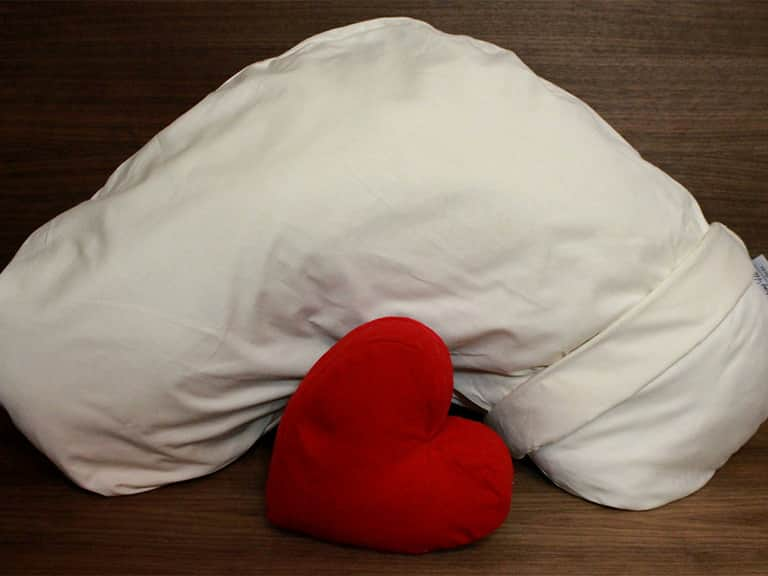
Side Dreamer Pillow • Boomerang Profile
An emblem of booster-loft design for side sleepers, featuring organic fills and a custom pillow case.

Hypodown Blend Close-Up
A look at the softness and loft characteristics that hypodown can offer when combined with milkweed or other fibers.
References and further reading
For readers seeking deeper dives into sleep science, textile innovation, and pillow design, consider sources on modern fill innovations, ergonomic support research, and consumer-focused bedding guidelines. The brands discussed here—Savvy Rest, Laurel, Arcadia, Sequoia, Downright, Sleep and Beyond—offer extensive product lines that illustrate how traditional down and modern hypodown interact in real-world use.